指南与共识|中国结直肠癌手术病人营养治疗指南(2025版)
1 CRC病人营养风险筛查、诊断以及治疗流程
问题1:如何选择CRC病人营养风险筛查工具
营养风险筛查2002(nutritional risk screening 2002,NRS 2002)评分已广泛应用于住院病人的营养风险筛查。近年来,多项研究结果证实NRS 2002≥3分的病人预后欠佳。瑞士一项前瞻性研究对186例限期手术的CRC病人进行NRS 2002评分,研究结果显示,其中39.3%的病人具有营养风险,有营养风险和无营养风险病人的术后并发症发生率差异有统计学意义(62% vs. 39.8%,P=0.004),营养风险是术后并发症发生的独立预测因子,营养风险筛查有助于预测CRC病人术后的病死率和并发症发生率(P=0.001)[14]。韩国一项回顾性研究纳入1063例接受保肛手术的直肠癌病人,其中119例(11.2%)病人具有高营养风险(NRS 2002评分≥4分),69例(6.5%)病人术后发生吻合口漏;多变量回归分析结果显示,美国麻醉医师协会(American Society of Anesthesiologists,ASA)评分高、手术时间长、NRS 2002评分高是吻合口漏的独立危险因素[15]。为了确定最适合CRC病人的营养风险筛查工具,我国的一项横断面研究使用了5种营养筛查工具,包括NRS 2002、微型营养评定法简表(short form of mini nutritional assessment,MNA-SF)、营养不良通用筛查工具(malnutrition universal screening tool,MUST)、营养不良筛查工具(malnutrition screening tool,MST)和营养风险指数(nutritional risk index,NRI),评估301例CRC病人入院时的营养风险,并预测短期临床结局。研究结果显示,5种工具筛查所有纳入病人营养风险为25.2%~46.2%;以病人自评-主观整体评估(patient-generated subjective global assessment,PG-SGA)作为诊断标准,MNA-SF具有最佳一致性,MST具有最高的敏感度;多变量回归分析结果显示,NRS 2002评分≥3分是术后发生并发症的独立危险因素,并且是预测术后并发症发生的最强预测因子[16]。
目前已发表的涉及老年病人的营养工具包括微型营养评定法(mini nutritional assessment,MNA)、MNA-SF、MUST、老年营养风险指数(geriatric nutritional risk index,GNRI)、全球领导人发起的营养不良评定(诊断)标准(global leadership initiative on malnutrition,GLIM)、围手术期营养筛查工具(preoperative nutrition screening,PONS)等[17]。这些营养筛查工具各有特点,但是近年来大量高质量研究结果显示,GNRI被广泛应用于老年消化系统肿瘤病人预后评估,其优势在于可弥补>50%老年病人提供的病史数据偏倚,从而避免干扰评估结果。有研究结果显示,在GNRI筛出的老年营养风险人群中,单纯用白蛋白(albumin,Alb)或体重指数(body mess index,BMI),仅分别筛出65%和46%风险人群[18-19]。多项单中心研究结果显示,GNRI对老年CRC病人的临床分期[20-21]、Clavien-Dindo Grade≥Ⅱ级并发症[22-24]、术后总生存期(overall survival,OS)和无病生存期(disease-free survival,DFS)[21-22, 25-27]等临床结局的预测具有重要价值。多项Meta分析结果显示,GNRI有助于预测老年CRC病人的术后并发症发生率和远期预后[28-30]。
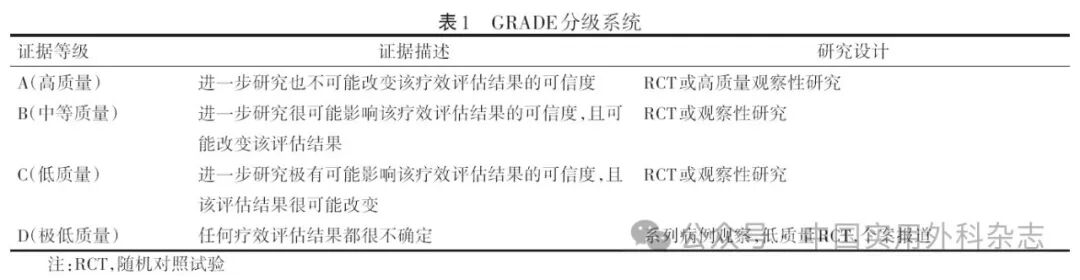
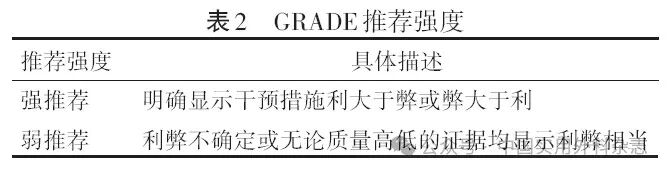
推荐意见1:CRC病人营养风险筛查工具首选NRS 2002,建议住院期间每周筛查1次。(证据等级:A;推荐强度:强)
推荐意见2:老年CRC病人营养风险筛查与营养不良评估可选用GNRI。(证据等级:B;推荐强度:强)
问题2:如何选择CRC病人营养不良的诊断与评估工具
PG-SGA是评估肿瘤病人营养状况的重要工具之一,通过病人自评和临床观察相结合,评估病人的体重变化、膳食摄入、症状、活动能力、体力状况等指标。根据评估后的分层结果为肿瘤病人制定个性化营养治疗方案,从而提高治疗效果和生活质量。巴西的一项研究探讨了250例老年CRC病人的PG-SGA评分与生存时间的关系,发现严重营养不良(PG-SGA C级)与PG-SGA A级病人相比,病人死亡风险更高[31]。
2018年9月,美国肠外与肠内营养学会(American Society for Parenteral and Enteral Nutrition,ASPEN)、欧洲临床营养与代谢学会(European Society for Clinical Nutrition and Metabolism,ESPEN)、亚洲肠外肠内营养学会(Parenteral and Enteral Nutrition Society of Asia,PENSA)和拉丁美洲临床营养和新陈代谢联合会(Federación Latino Americana de Terapia Nutricional,Nutrición Clínicay Metabolismo,FELANPE)正式发布了GLIM共识[32-33]。GLIM纳入了以往各种营养工具中具有代表性的参数,特别给予性别、年龄、BMI、亚洲人种等参数分层。符合下列2条并结合肌肉减量程度可诊断为营养不良:(1)亚洲人BMI<18.5的<70岁病人,或<20的≥70岁病人。(2)体重6个月内减少>5%,或超过6个月减少>10%。西班牙的一项横断面、单中心研究,共纳入了165例上消化道、头颈部和结直肠肿瘤的门诊病人;根据GLIM标准,研究结果发现,本研究营养不良的发生率为46.7%,而使用ESPEN推荐的筛查工具[MST、MUST和新型营养筛查工具(Nutriscore)]筛查评估发现病人营养不良发生率为21.2%,提示GLIM标准诊断营养不良更敏感[34]。我国的一项研究对918例CRC病人应用GLIM标准进行营养诊断,研究结果显示23.6%的病人被诊断为营养不良,且与术后总并发症的发生相关,营养不良是OS和DFS的独立危险因素[35]。老年CRC病人营养不良发生率更高,GLIM标准用于评估老年CRC病人营养不良的价值尤为重要。Shen等[36]的前瞻性队列研究共纳入385例老年CRC病人,其中118例(30.65%)病人根据GLIM标准被诊断为营养不良,研究结果发现,GLIM诊断营养不良是术后并发症的独立危险因素,且Cox回归分析结果显示,GLIM诊断的营养不良是老年CRC病人OS的独立影响因素。Couto等[37]的回顾性队列研究在预测CRC病人预后方面比较了GLIM与PG-SGA的一致性、准确性、敏感性和特异性;该研究共纳入191例CRC病人,根据GLIM和PG-SGA标准,分别有23%和32%的营养不良发生率;与PG-SGA相比,GLIM显示出较好的敏感度,良好的一致度、特异度和诊断准确度;根据GLIM和PG-SGA标准得到的营养不良分值与短期生存率相关。
值得注意的是,尽管GLIM是目前最理想的营养不良诊断工具,但其核心参数肌肉减量的测定仍无公认的直接方法。再者,该工具发布较晚,发布者也特别强调GLIM尚需大样本临床研究进行验证[38]。因此,应用GLIM时要特别结合病人的实际情况,综合评估其营养状况。
推荐意见3:CRC病人营养不良评估可选用PG-SGA或GLIM标准。(证据等级:B;推荐强度:强)
问题3:如何确定CRC病人营养治疗的能量和蛋白质目标需要量
总能量消耗(total energy expenditure,TEE)决定能量需求。Ford等[39]测量CRC病人的24 h内TEE,并将其与癌症预测的能量需求[(104.65~125.58)kJ/(kg·d),即(25~30)kcal/(kg·d)]进行比较;研究结果发现,在CRC病人中TEE变化并不一致。临床实践发现,癌症病人的能量需求与健康成年人相似,在无法测量TEE时,通常通过静息能量消耗(resting energy expenditure,REE)[40]或参考(104.65~125.58)kJ/(kg·d)[即(25~30)kcal/(kg·d)]的标准进行估算。
2021年ESPEN指南建议蛋白质的摄入量为1.0~1.5 g/(kg·d)[41]。Ford等[42]纳入Ⅱ~Ⅳ期CRC病人,并随机分为两组,分别摄入蛋白质1 g/(kg·d)和2 g/(kg·d),增加蛋白质摄入对低肌肉含量(low muscle mass,LMM)和身体功能有积极影响,但2 g/(kg·d)的蛋白摄入目标对于CRC病人很难达成。Maňásek等[43]对CRC病人进行营养干预研究,采用总能量125.58 kJ/(kg·d)[即30 kcal/(kg·d)]、蛋白质1.2~1.6 g/(kg·d)的方案,显示高蛋白质和能量摄入有利于改善CRC病人的生活质量和身体功能。从临床观察看,加量补充蛋白质使严重应激病人获益更多,加量蛋白质可达1.5~1.7 g/(kg·d)。
推荐意见4:可参考(104.65~125.58)kJ/(kg·d)[即(25~30)kcal/(kg·d)]对TEE进行经验估算。对于重症CRC病人可通过间接测热法获得机体TEE,从而确定目标能量。CRC病人营养治疗中蛋白质目标量应进行个性化制定,一般为1.0~1.5 g/(kg·d)。(证据等级:B;推荐强度:强)
问题4:CRC病人规范化营养治疗流程所包括的内容
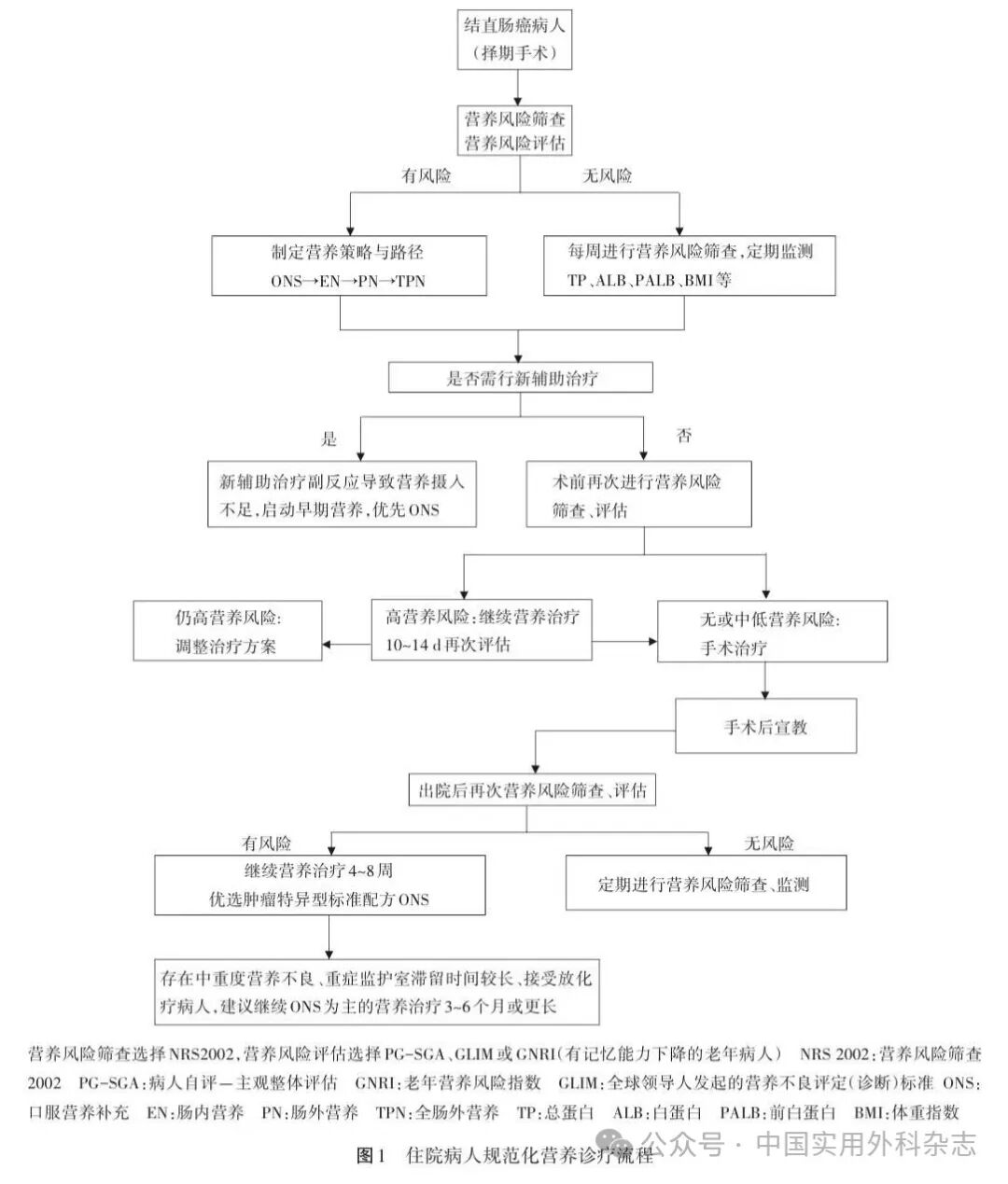
多项研究结果证实,按照营养诊疗标准流程实施营养诊疗方案,可为存在营养风险或营养不良的病人提供足够的能量和蛋白质,维持病人正常营养状态或改善病人营养不良[37, 44-45]。住院病人规范化营养诊疗流程见图1。营养筛查、评估和营养诊断是营养诊疗的重要步骤,更是营养干预和营养监测的基础和前提。营养筛查是应用营养筛查工具判断病人营养风险的过程,是规范化营养诊疗的第一步,包括营养风险筛查和营养不良筛查。同时应按照相应规定规范书写、保存病历,将营养风险及营养不良及时记录于病案首页,加强相关诊疗信息的统计分析[36, 46-47];营养评估、诊断是进一步了解有营养风险的住院病人营养状况的过程,以此制定营养干预及营养干预后监测治疗计划[46]。故规范化营养诊疗流程应包括筛查、评估、诊断、干预及监测等关键步骤,并应依此形成连续的诊疗模式。
推荐意见5:住院手术CRC病人的规范化营养诊疗流程包括营养筛查、评估、诊断、干预及监测等关键步骤,依此形成连续的诊疗模式。(证据等级:B;推荐强度:强)
问题5:如何选择CRC病人的术前预康复模式
术前预康复措施对CRC病人术后恢复的价值存在争议。择期手术前3~6周进行运动干预可以减少术后并发症,但术前运动干预对术后生存影响的循证医学证据有限[48]。与单一预康复方案相比,多模式预康复应用更广,主要包括术前运动、营养治疗和心理疏导三方面。多模式预康复可改善局部进展期CRC病人术后肌力、体能和生活质量[49]。多项随机对照试验(randomized controlled trial,RCT)研究结果发现多模式预康复对严重并发症的预防有益[50-52]。Minnella等[49]进行了不同多模式预康复方案的比较,研究结果发现,为期4周的高强度或中等强度间歇训练,联合补充乳清蛋白和放松训练,能够促进病人术后体能恢复并提高生活质量,而对术后并发症的发生无明显影响。
推荐意见6:推荐CRC病人术前开展以“运动+营养治疗+心理疏导”为主要内容的多模式预康复措施。(证据等级:B;推荐强度:强)
2 CRC病人肠内营养管理
问题6:如何选择CRC病人肠内营养(enteral nutrition,EN)的启动时机及输注方式
对于血流动力学稳定、胃肠道有功能的CRC病人,首选EN。可根据病人的肠道功能情况选择口服营养补充(oral nutritional supplements,ONS)或早期经口喂养(early oral feeding,EOF)。腹腔感染灶已清除或得到控制的CRC病人,可以考虑在术后尽早启动EN。早期EN有助于维护肠黏膜屏障功能,减少肠源性感染的风险,并促进肠道功能的早期恢复[53]。一项病例对照研究共包含454例CRC病人,术后48 h启动EN与住院时间缩短相关,且不会提高吻合口漏和切口感染等不良事件的发生率[54]。Barneveld等[55]的一项前瞻性研究比较了局部晚期或局部复发的直肠癌术后病人的早期EN和早期肠外营养(parenteral nutrition,PN)效果,研究结果显示早期EN可降低术后肠梗阻、吻合口漏的发生率并缩短住院时间。
推荐意见7:推荐血流动力学稳定的CRC病人术后尽早启动EN,首选口服营养补充ONS或EOF。(证据等级:B;推荐强度:强)
问题7:如何选择CRC病人启动EN时的配方
整蛋白型(又称非要素型)EN制剂以整蛋白作为氮源,低聚糖、麦芽糖或淀粉作为碳水化合物来源,植物油作为脂肪来源,含有各类矿物质、维生素、微量元素等。渗透压接近等渗(300~450 mOsm/L),口感较好,适合口服,也可管饲。整蛋白型EN制剂分为平衡型、疾病特异型和特殊人群适用型等。术前胃肠功能正常的择期消化道肿瘤病人术后普遍适用。围手术期肠功能障碍的CRC病人,短肽型EN能快速提供营养治疗,促进肠道功能恢复[56]。肝功能异常的CRC病人术后EN可选择含中链脂肪酸营养制剂。如CRC病人合并其他疾病,可选择疾病特异型配方EN制剂,如糖尿病专用型、肾病型、肺病专用型等EN制剂[57-59]。
推荐意见8:推荐根据CRC病人术后肠功能情况决定EN制剂的选择。肠功能正常者可选择整蛋白型,肠功能受损或恢复初期,可用短肽型或氨基酸型。(证据等级:B;推荐强度:强)。
推荐意见9:对合并器官功能不全或障碍的CRC病人,推荐使用专用型EN制剂。(证据等级:B,推荐强度:强)。
问题8:围手术期CRC病人是否使用含免疫营养素配方的EN制剂
Adiamah等[60]一项纳入1387例消化道肿瘤病人的Meta分析研究结果显示,围手术期使用含免疫营养配方的EN制剂有助于降低术后感染的并发症发生率,缩短术后住院时间。一项Meta分析纳入9项RCT研究,评估补充ω-3多不饱和脂肪酸(omega-3 polyunsaturated fatty acids,ω-3 PUFA)对于CRC病人的疗效及安全性,结果显示补充ω-3 PUFA可降低白细胞介素-6(interleukin-6,IL-6),C反应蛋白和肿瘤坏死因子-α(tumor necrosis factor-α,TNF-α)水平,升高血清白蛋白水平,减少术后感染并发症、缩短住院时间[61]。对于接受化疗的恶性肿瘤病人研究显示,补充ω‑3 PUFA可稳定或改善食欲,增加食物摄入量、肌肉量和体重,减轻化疗副反应[62-63]。一项纳入35项RCT研究结果的Meta分析对3692例因消化道肿瘤接受手术的病人使用富含ω-3 PUFA的EN制剂,与对照组相比,含ω‑3 PUFA的EN组病人总并发症发生率下降(如感染性并发症、吻合口漏等),住院时间缩短[64]。多项研究结果表明,术前给予含免疫营养素的EN制剂可以降低CRC病人血清中炎症相关细胞数量并减少术后标本中免疫细胞的浸润[65-67]。需要注意的是,以上临床试验选择的对照组多为正常饮食。目前尚缺乏大样本RCT研究证明术前使用含特殊免疫营养素配方对比标准型配方是否存在优势。
推荐意见10:推荐CRC病人围手术期使用含特殊免疫营养配方(含ω‑3 PUFA、精氨酸、核苷酸等)的EN制剂。(证据等级:B;推荐强度:弱)
问题9:CRC病人是否使用含膳食纤维配方的EN制剂
CRC病人术后因病情需要长期进行EN治疗可选择富含膳食纤维营养制剂,其在防止腹泻与便秘,调节血糖与保护肠黏膜屏障具有积极作用[68-69]。含膳食纤维配方的EN制剂可以改善EN导致的腹泻、便秘和呕吐等喂养不耐受[70]。一项前瞻队列研究纳入了1399例CRC病人,与标准EN制剂比较,含膳食纤维配方的EN制剂不能降低CRC病人术后吻合口漏的发生率,但可以改善手术相关并发症[71]。德琳等[72]的RCT研究将术后CRC病人分为含膳食纤维的EN组与标准EN组,研究结果显示膳食纤维可抑制感染应激反应,减轻炎症症状,促进肠道功能恢复。Tanes等[73]研究结果发现含膳食纤维饮食可以改善应激后的菌群失调,并改善其氨基酸代谢。推荐膳食纤维的摄入量为25~30 g/d。不溶性纤维配方可促进水分进入肠腔,增加粪便中水分潴留,可能导致重症病人发生肠梗阻,因此对存在肠缺血或肠梗阻等肠道功能不良病人应慎用含不溶性纤维配方的EN制剂[74]。
推荐意见11:推荐CRC病人围手术期使用含膳食纤维配方的EN制剂。(证据等级:C;推荐强度:弱)
问题10:CRC病人是否使用肠道微生态制剂
Marcellinaro等[75]的一项RCT研究中,试验组进行标准肠道准备和围手术期口服益生菌,对照组仅进行标准肠道准备。研究结果显示,试验组发生2例(1.7%,2/118)吻合口漏,而对照组为23例(6.5%,23/356),试验组手术部位感染发生率、再次手术率和术后病死率较低,术后首次排气、排便和经口进食的时间更早。Flesch等[76]的一项RCT研究,随机分配病人术前5 d至术后14 d接受合生元或安慰剂治疗,研究结果显示,合生元组1例(2%,1/49)和对照组9例(21.4%,9/42)发生手术部位感染,两组手术部位感染发生率差异有统计学意义(P=0.002);对照组有3例腹腔脓肿(6.1%,3/49)和4例肺炎(8.2%,4/49),而未观察到合生元治疗组病人出现相关感染(P=0.001)。围手术期使用合生元可显著降低CRC病人术后感染率。益生菌或合生元的短期围手术期给药易于管理,副反应少,成本低,可能有助于缓解CRC病人的胃肠道症状并降低术后并发症的发生率[77]。有研究结果表明,益生菌可通过改善粪便微生物群而改善肠道黏膜屏障的完整性,降低术后感染相关并发症发生率[78]。
推荐意见12:推荐CRC病人围手术期使用肠道微生态型制剂,有益于降低术后感染相关并发症的发生率。(证据等级:B;推荐强度:弱)
3 CRC病人的PN管理
问题11:何时启动CRC病人围手术期PN
CRC病人早期ONS或EOF不能达到目标能量和蛋白的需求量,建议EN联合PN。如需要短期内快速改善营养状况,建议补充性肠外营养(supplementary parenteral nutrition,SPN)。SPN的启动时机仍存在争议。ESPEN指南推荐,实施EN 2~3 d未能达到目标能量需要量时,应在24~48 h启动SPN[79]。美国胃肠病学会(American College of Gastroenterology,ACG)指南及美国肠外肠内营养学会联合美国危重症学会(ASPEN/SCCM)指南均表明,无论营养风险高低,当EN提供的能量和蛋白质无法达到目标需求量的60%时,建议启动SPN[80-81]。一项RCT研究结果发现,对晚期CRC病人进行SPN可以减轻体重下降,并提高生活质量,还可以减少化疗相关的副反应[82]。当病人不能耐受EN或存在EN禁忌证时,建议实施TPN[83]。
对于虚弱病人和老年病人,PN可以提供充足且可靠的宏量营养素和微量营养素,通过PN还可以快速改善氮平衡,增加肌肉量,加快手术恢复,改善免疫功能,并减少术后并发症的发生率[84]。对于胃肠道耐受性有限的病人,PN能更好地保证充足的能量摄入[85]。
推荐意见13:推荐术后短期内(5~7 d)无法通过EN满足能量需求的CRC病人早期启动SPN或全肠外营养(total parenteral nutrition,TPN)。(证据等级:B;推荐强度:强)
问题12:如何选择CRC病人PN的脂肪乳剂
一项包含156例病人的RCT研究结果显示,大手术后给予含脂肪乳的TPN相对于无脂肪乳的TPN能显著降低病人病死率[86]。目前PN中使用的脂肪乳剂(LEs)包括纯大豆油脂肪乳、大豆油和中链甘油三酯(MCTs)。Ma等[87]的前瞻性随机双盲研究纳入了99例消化道肿瘤病人,研究结果证实相较于接受单一长链脂肪乳,术后接受中长链脂肪乳的病人血浆游离脂肪酸净降低值显著高于对照组,甘油三酯净升高值和高密度脂蛋白净降低值显著低于对照组。钱俊等[88]的一项前瞻性随机对照研究纳入了80例手术后重症CRC病人,与使用中长链脂肪乳的对照组比较,应用橄榄油脂肪乳的研究组病人显著改善免疫功能,并加快术后胃肠道功能恢复。肿瘤病人术后不宜长期单独使用大豆油脂肪乳。多种油脂肪乳剂(SMOF)包含30%的大豆油、30%的中链甘油三酯、25%的橄榄油、15%的鱼油和维生素E,通过优化脂肪酸配方,改善临床结局[89]。邹桂珍等[90]的队列研究结果和吕清泉等[91]的RCT研究结果均证实了胃肠道肿瘤病人术后早期应用结构脂肪乳能够减轻病人免疫抑制,减轻炎性反应,改善机体免疫功能。
推荐意见14:CRC病人实施PN时,推荐个体化选用多个类型的脂肪乳剂,包括多种油脂肪乳,或在大豆油脂肪乳基础上添加一定比例的鱼油脂肪乳、中链脂肪乳和(或)橄榄油脂肪乳。(证据等级:B;推荐强度:强)
问题13:CRC病人PN处方中是否需要添加谷氨酰胺(Gln)双肽
PN处方中常以丙氨酰-谷氨酰胺双肽(Ala-Gln)形式添加Gln。Yue[92]等研究结果发现,Gln以Ala-Gln双肽的形式添加至PN中可显著缩短结肠癌病人住院时间,并促进结肠癌病人术后正氮平衡。陈文定等[93]研究结果表明,结肠癌病人PN中添加Gln双肽的剂量为0.5 g/(kg·d),可以提高术后淋巴细胞亚群的水平,改善病人免疫功能,减轻手术应激反应。程学远等[94]研究结果发现结肠癌合并肠梗阻病人术后使用添加Gln双肽的PN连续1周,血清前白蛋白、白蛋白、IgA、IgG、IgM水平增高,TNF-α、IL-6水平降低,并发症发生率低于对照组。PN中添加Gln双肽可增强CRC病人术后对胰岛素敏感性,改善胰岛素抵抗,降低血糖峰值水平、TNF-α和游离脂肪酸的浓度,从而缩短住院时间,加速病人康复。重症结肠癌病人若出现感染性休克或合并肝肾功能不全,补充Gln双肽可能增加围手术期病死率,因此急重症结肠癌病人围手术期不推荐补充Gln双肽[95]。
推荐意见15:CRC病人围手术期PN处方中建议添加Gln双肽。CRC病人合并严重肝、肾功能障碍和休克者,不建议补充Gln双肽(证据等级:B;推荐强度:弱)
问题14:PN处方中是否需要添加ω‑3 PUFA
多项研究结果显示,ω‑3 PUFA水平与CRC病人风险呈负相关[96]。Ural等[97]研究结果发现,CRC病人术后补充ω‑3 PUFA可以减少体重、BMI和中上臂围的下降幅度,降低C反应蛋白、谷草转氨酶和空腹血糖水平,提升白蛋白水平,与对照组相比,补充ω‑3 PUFA并未增加病人住院时间和术后并发症,提示ω‑3 PUFA具有改善CRC病人围手术期营养状态、降低炎症反应的作用。但ω‑3 PUFA作为脂肪乳剂单独输注时仍需谨慎,Bakker等[98]报道CRC病人术后单独输注ω‑3 PUFA供能可升高IL-6和白细胞水平,增加感染相关并发症发生率。因此对进行Ⅰ期吻合的结直肠切除术病人围手术期单独静脉注射ω‑3 PUFA供能时需谨慎。
推荐意见16:推荐CRC病人围手术期PN中添加ω‑3 PUFA,但不建议作为能量脂肪乳剂输注。(证据等级:B;推荐强度:弱)
4 特殊类型CRC病人的营养治疗选择
问题15:如何实施CRC病人术后吻合口漏的营养治疗
CRC术后发生吻合口漏或肠漏是围手术期严重并发症。在外科处理和抗感染治疗基础上,营养治疗可提供机体代谢所需的营养底物、电解质和微量元素,维持和改善机体营养状况,进而提高免疫力,维护器官功能,对降低病死率以及改善长期预后具有十分重要的作用[99-100]。CRC术后A级吻合口漏常无临床症状,不需要特殊治疗。一般继续采取ONS及EN联合SPN的方法以保证营养供应。饮食不能达到足量的能量供应时,可采取经口EN及经中心静脉置管行PN的方法进行营养治疗,不会明显增加肠漏的流量,且能充分吸收给予的营养物质[101]。若能通过内堵的方法建立消化道的连续性而控制肠液流出,则更有利于提高EN效果。
推荐意见17:对于存在术后吻合口漏和腹腔感染的CRC病人,推荐个体化选择EN或EN联合SPN或TPN。(证据等级:B;推荐强度:强)
问题16:如何进行放化疗CRC病人的营养管理
营养不良是接受放化疗CRC病人的常见并发症之一,严重影响病人的预后[102]。>30%的病人在化疗前便存在营养风险,化疗期间中重度营养不良发生率可达18.2%~54.5%[103]。化疗期间给予病人充分的营养治疗,纠正病人营养状态的同时,提高了病人对化疗的耐受性,并减轻化疗的毒性反应,延长了病人的DFS和OS。有研究结果显示,高蛋白、高能量、低容量的ONS干预可有效增加接受全身治疗病人的蛋白质摄入量[104]。
放疗对于CRC病人同样会造成肠道黏膜屏障功能不同程度的损伤,引起恶心呕吐、腹痛、腹泻和发热等症状,从而导致病人出现营养不良[105]。部分病人还会出现慢性放射性肠炎、慢性肠梗阻或肠瘘等并发症[106]。EN是首选的营养补充方式,建议尽早启用,以应对放疗带来的肠道黏膜损伤,防止肠道细菌易位与感染。
推荐意见18:推荐CRC病人放化疗期间进行营养治疗,首选ONS。(证据等级:B;推荐强度:强)
问题17:如何进行CRC并发恶液质病人的营养治疗
肿瘤病人,尤其是老年病人常合并恶液质[107]。日本的一项研究结果发现,CRC病人合并恶液质的比率高达62.4%[108],且大部分胃肠道肿瘤的病人最终均会发生恶液质[108-109]。Blauwhoff 等[110]研究结果发现,CRC病人合并恶液质的预后大多较差,因此恶液质的诊断及营养治疗显得尤为重要。Vagnildhaug等[111]开展的一项前瞻性研究结果发现,CRC是病人发生恶液质的中危因素。
建议临床医生对CRC病人进行营养评估与指导,为病人提供安全、可靠的营养建议,提供关于摄入高蛋白、高热量、高营养型等食物的指导,并且可以修正任何未经证实的或极端的饮食建议[112]。ω-3 PUFA被认为是治疗癌症恶液质最有前途的功能性营养素之一[113]。Shirai等[114]研究结果发现,ω-3 PUFA可以有效改善胃肠癌病人的骨骼肌含量和瘦体重的变化。支链氨基酸(branched-chain amino acids,BCAA)可以抑制蛋白分解并且有助于蛋白质的合成,同时改善病人的食欲。亮氨酸与缬氨酸被证实是CRC病人术后恢复所需要的支链氨基酸,但是仍缺少相关的临床研究[115]。
推荐意见19:推荐对于CRC病人评估是否合并恶液质,进行早期识别与积极干预。营养治疗为恶液质主要的治疗方式之一。(证据等级:B;推荐强度:强)
在本指南制定过程中,执笔者参考了具有较高质量的国内外最新研究成果及相关指南,并特别关注国内的研究成果,广泛征求采纳多位外科专家的评审意见,经多次修改最终形成本版指南,旨在为临床医生在诊疗CRC过程中提供参考。本指南制定组将及时关注相关领域的证据和推荐级别变化,结合临床实际问题定期完善、修正、更新指南。
参考文献
(在框内滑动手指即可浏览)
[1] Bray F, Laversanne M, Sung H, et al. Global cancer statistics 2022: GLOBOCAN estimates of incidence and mortality worldwide for 36 cancers in 185 countries [J]. CA Cancer J Clin, 2024, 74(3): 229-263. DOI: 10.3322/caac.21834.
[2] Hsn B, Zheng R, Zeng H, et al. Cancer incidence and mortality in China, 2022 [J]. J Natl Cancer Cent, 2024, 4(1): 47-53. DOI: 10.1016/j.jncc.2024.01.006.
[3] Song C, Cao J, Zhang F, et al. Nutritional risk assessment by scored patient-generated subjective global assessment associated with demographic characteristics in 23,904 common malignant tumors patients [J]. Nutr Cancer, 2019, 71(1): 50-60. DOI: 10.1080/01635581.2019.1566478.
[4] Chen Y, Liu BL, Shang B, et al. Nutrition support in surgical patients with colorectal cancer [J]. World J Gastroenterol, 2011, 17(13): 1779-1786. DOI: 10.3748/wjg.v17.i13.1779.
[6] Barret M, Malka D, Aparicio T, et al. Nutritional status affects treatment tolerability and survival in metastatic colorectal cancer patients: Results of an AGEO prospective multicenter study [J]. Oncology, 2011, 81(5-6): 395-402. DOI: 10.1159/000335478.
[7] 中华医学会肠外肠内营养学分会. 肿瘤患者营养支持指南 [J]. 中华外科杂志, 2017, 55(11): 801-829. DOI:10.3760/cma.j.issn.0529-5815.2017.11.001.
[8] Hébuterne X, Lemarié E, Michallet M, et al. Prevalence of malnutrition and current use of nutrition support in patients with cancer [J]. JPEN J Parenter Enteral Nutr, 2014, 38(2): 196-204. DOI: 10.1177/0148607113502674.
[22] Liao CK, Yu YL, Lin YC, et al. Prognostic value of the C-reactive protein to albumin ratio in colorectal cancer: An updated systematic review and meta-analysis [J]. World J Surg Oncol, 2021, 19(1): 139. DOI: 10.1186/s12957-021-02253-y.
[23] Imai T, Kurosawa K, Asada Y, et al. Enhanced recovery after surgery program involving preoperative dexamethasone administration for head and neck surgery with free tissue transfer reconstruction: Single-center prospective observational study [J]. Surg Oncol, 2020, 34: 197-205. DOI: 10.1016/j.suronc.2020.04.025.
[24] Tang Z, Liu L, Liu D, et al. Clinical outcomes and safety of different treatment modes for local recurrence of rectal cancer [J]. Cancer Manag Res, 2020, 12: 12277-12286. DOI: 10.2147/cmar.S278427.
[25] Iguchi T, Sugimachi K, Mano Y, et al. Prognostic impact of geriatric nutritional risk index in patients with synchronous colorectal liver metastasis [J]. Anticancer Res, 2020, 40(7): 4165-4171. DOI: 10.21873/anticanres.14416.
[26] Tang S, Xie H, Kuang J, et al. The value of geriatric nutritional risk index in evaluating postoperative complication risk and long-term prognosis in elderly colorectal cancer patients [J]. Cancer Manag Res, 2020, 12: 165-175. DOI: 10.2147/cmar.S234688.
[27] Kato R, Miyamoto Y, Ouchi M, et al. The geriatric nutritional risk index is a prognostic marker in patients with metastatic colorectal cancer [J]. Int J Clin Oncol, 2023, 28(7): 893-900. DOI: 10.1007/s10147-023-02338-6.
[28] Zhao H, Xu L, Tang P, et al. Geriatric nutritional risk index and survival of patients with colorectal cancer: A Meta-analysis [J]. Front Oncol, 2022, 12: 906711. DOI: 10.3389/fonc.2022.906711.
[29] Xu J, Sun Y, Gong D, et al. Predictive value of geriatric nutritional risk index in patients with colorectal cancer: A Meta-analysis [J]. Nutr Cancer, 2023, 75(1): 24-32. DOI: 10.1080/01635581.2022.2115521.
[31] Barao K, Abe Vicente CM, Silva FP, et al. Association between nutrition status and survival in elderly patients with colorectal cancer [J]. Nutr Clin Pract, 2017, 32(5): 658-663. DOI: 10.1177/0884533617706894.
[32] Cederholm T, Jensen GL. To create a consensus on malnutrition diagnostic criteria: A report from the Global Leadership Initiative on Malnutrition (GLIM) meeting at the ESPEN Congress 2016 [J]. Clin Nutr, 2017, 36(1): 7-10. DOI: 10.1016/j.clnu.2016.12.001.
[33] Cederholm T, Jensen GL, Correia M, et al. GLIM criteria for the diagnosis of malnutrition - A consensus report from the global clinical nutrition community [J]. Clin Nutr, 2019, 38(1): 1-9. DOI: 10.1016/j.clnu.2018.08.002.
[34] Gascón-RuizZ M, Casas-Deza D, Torres-Ramón I, et al. GLIM vs ESPEN criteria for the diagnosis of early malnutrition in oncological outpatients [J]. Clin Nutr, 2021, 40(6): 3741-3747. DOI: 10.1016/j.clnu.2021.04.025.
[35] Song HN, Wang WB, Luo X, et al. Effect of GLIM-defined malnutrition on postoperative clinical outcomes in patients with colorectal cancer [J]. Jpn J Clin Oncol, 2022, 52(5): 466-474. DOI: 10.1093/jjco/hyab215.
[36] Shen N, Wen J, Chen C, et al. The relationship between GLIM-malnutrition, post-operative complications and long-term prognosis in elderly patients undergoing colorectal cancer surgery [J]. J Gastrointest Oncol, 2023, 14(5): 2134-2145. DOI: 10.21037/jgo-23-543.
[37] Da Silva Couto A, Gonzalez MC, Martucci RB, et al. Predictive validity of GLIM malnutrition diagnosis in patients with colorectal cancer [J]. J Parenter Enteral Nutr, 2023, 47(3): 420-428. DOI: 10.1002/jpen.2475.
[51] Gillis C, Fenton TR, Sajobi TT, et al. Trimodal prehabilitation for colorectal surgery attenuates post-surgical losses in lean body mass: A pooled analysis of randomized controlled trials [J]. Clin Nutr, 2019, 38(3): 1053-1060. DOI: 10.1016/j.clnu.2018.06.982.
[52] Molenaar CJL, Minnella EM, Coco-Martinez M, et al. Effect of multimodal prehabilitation on reducing postoperative complications and enhancing functional capacity following colorectal cancer surgery: The PREHAB randomized clinical trial [J]. JAMA Surg, 2023, 158(6): 572-581. DOI: 10.1001/jamasurg.2023.0198.
[53] Stannard D. Early enteral nutrition within 24 hours of lower gastrointestinal surgery versus later commencement for length of hospital stay and postoperative complications [J]. J Perianesth Nurs,2020,35(5): 541-542.DOI:10.1016/j.jopan.2020.07.003.
问题18:如何进行CRC病人合并肠梗阻的营养治疗
CRC合并肠梗阻病人,应尽快恢复酸碱平衡和纠正水电解质紊乱,补充血容量,消除贫血和低蛋白血症,积极预防休克并给予胃肠减压和抗生素治疗。有条件者可以使用肠梗阻支架,暂时疏通肠道,缓解梗阻症状,并为术前实施EN治疗及安全Ⅰ期吻合创造条件[116]。美国国立综合癌症网络(National Comprehensive Cancer Network,NCCN)及中国临床肿瘤学会(Chinese Society of Clinical Oncology,CSCO)等多个指南均推荐对于合并肠梗阻的CRC病人适用肠造口术作为可选择的术式之一[117-119]。对于初始可切除的CRC病人,Kronborg等[120]的研究结果发现先行肠造口与一期行Hartmann手术相比,不会影响病人的生存率。
对于紧急手术或预定48 h内手术的肠梗阻病人,不推荐术前营养治疗。对于非手术治疗和实施一段术前准备的病人,建议补液后48 h开始PN治疗,以改善病人的营养状态。未经补液即PN治疗者,易出现低钾血症[121]。对于长期非手术治疗肿瘤病人,要充分了解病人补液史或PN史、检测血电解质和维生素水平,以防发生再喂食综合征(refeeding syndrome,RS)[84]。
推荐意见20:CRC合并肠梗阻病人首选PN营养治疗途径。(证据等级:B;推荐强度:强)
推荐意见21:肠梗阻支架置入或肠造口术可解除CRC病人的肠梗阻症状,有助于病人早期获得EN治疗。(证据等级:B;推荐强度:强)
问题19:CRC病人出院后的营养管理
围手术期接受营养治疗或者存在营养风险的病人出院后应进行家庭营养治疗,ONS至少(1674.34~2511.51)kJ/d
[即(400~600) kcal/d],并定期随访和监测[122-123]。若病人因ONS耐受性较差而无法满足营养需求时,可选择家庭肠内营养(home enteral nutrition,HEN)[124]。建议接受CRC手术的病人术后至少进行4~8周的高蛋白质ONS,若病人滞留重症监护室时间较长,以及术后需辅助化疗,建议出院后继续接受3~6个月的营养治疗,而对于部分特殊人群,如伴严重糖尿病、胃肠动力严重障碍的病人,则需进行营养治疗方式调整评估,采用个体化管理方案[125]。
推荐意见22:推荐加强CRC病人出院后的营养管理,首选ONS。(证据等级:B;推荐强度:强)
[5] Dobrila-Dintinjana R, Trivanovic D, ZELIĆ M, et al. Nutritional support in patients with colorectal cancer during chemotherapy: Does it work? [J] Hepatogastroenterology, 2013, 60(123): 475-480. DOI: 10.5754/hge12710.
[9] Drissi M, Cwieluch O, Lechner P, et al. Nutrition care in patients with cancer: A retrospective multicenter analysis of current practice - Indications for further studies?[J]. Clin Nutr, 2015, 34(2): 207-211. DOI: 10.1016/j.clnu.2014.03.002.
[10] 中华医学会外科学分会结直肠外科学组, 中华医学会外科学分会营养支持学组,中国医师协会外科医师分会结直肠外科医师委员会.结直肠癌围手术期营养治疗中国专家共识(2019版)[J].中国实用外科杂志,2019,39(6):533-537.DOI:10.19538/j.cjps.issn1005-2208.2019.06.03.
[11] Atkins D, Briss PA, Eccles M, et al. Systems for grading the quality of evidence and the strength of recommendations Ⅱ: Pilot study of a new system [J]. BMC Health Serv Res, 2005, 5(1): 25. DOI: 10.1186/1472-6963-5-25.
[12] Guyatt GH, Thorlund K, Oxman AD, et al. GRADE guidelines: 13. Preparing summary of findings tables and evidence profiles-continuous outcomes [J]. J Clin Epidemiol, 2013, 66(2): 173-183. DOI: 10.1016/j.jclinepi.2012.08.001.
[13] Atkins D, Eccles M, Flottorp S, et al. Systems for grading the quality of evidence and the strength of recommendations I: Critical appraisal of existing approaches The GRADE Working Group [J]. BMC Health Serv Res, 2004, 4(1): 38. DOI: 10.1186/1472-6963-4-38.
[14] Schwegler I, Von Holzen A, Gutzwiller JP, et al. Nutritional risk is a clinical predictor of postoperative mortality and morbidity in surgery for colorectal cancer [J]. Br J Surg, 2010, 97(1): 92-97. DOI: 10.1002/bjs.6805.
[15] Lee SY, Jung MR, Kim CH, et al. Nutritional risk screening score is an independent predictive factor of anastomotic leakage after rectal cancer surgery [J]. Eur J Clin Nutr, 2018, 72(4): 489-495. DOI: 10.1038/s41430-018-0112-3.
[16] Xie B, Sun Y, Sun J, et al. Applicability of five nutritional screening tools in Chinese patients undergoing colorectal cancer surgery: A cross-sectional study [J]. BMJ Open, 2022, 12(5): e057765. DOI: 10.1136/bmjopen-2021-057765.
[17] 董明. 营养筛查与评估工具历史回顾与临床应用 [J]. 岭南现代临床外科, 2021, 21(1): 6-10. DOI:10.3969/j.issn.1009⁃976X.2021.01.002.
[18] Bouillanne O, Morineau G, Dupont C, et al. Geriatric nutritional risk index: A new index for evaluating at-risk elderly medical patients [J]. Am J Clin Nutr, 2005, 82(4): 777-783. DOI: 10.1093/ajcn/82.4.777.
[19] 周建平, 董明. 消化外科老年患者围手术期营养工具选择与评价 [J]. 肿瘤代谢与营养电子杂志, 2023, 10(6): 701-705+696. DOI:10.16689/j.cnki.cn11-9349/r.2023.06.001.
[20] Liao CK, Chern YJ, Hsu YJ, et al. The clinical utility of the geriatric nutritional risk index in predicting postoperative complications and long-term survival in elderly patients with colorectal cancer after curative surgery [J]. Cancers (Basel), 2021, 13(22): 5852. DOI: 10.3390/cancers13225852.
[21] Ide S, Okugawa Y, Omura Y, et al. Geriatric nutritional risk index predicts cancer prognosis in patients with local advanced rectal cancer undergoing chemoradiotherapy followed by curative surgery [J]. World J Surg Oncol, 2021, 19(1): 34. DOI: 10.1186/s12957-021-02139-z.
[30] Yuan F, Yuan Q, Hu J, et al. Prognostic role of pretreatment geriatric nutritional risk index in colorectal cancer patients: A Meta-analysis [J]. Nutr Cancer, 2023, 75(1): 276-285. DOI: 10.1080/01635581.2022.2109692.
[38] Jensen GL, Cederholm T, Correia AM, et al. GLIM Criteria for the diagnosis of malnutrition: A consensus report from the global clinical nutrition community [J]. J Parenter Enteral Nutr, 2019, 43(1): 32-40. DOI: 1440:10.1002/jpen.1440.
[39] Ford KL, Pichard C, Sawyer MB, et al. Total energy expenditure assessed by 24-h whole-room indirect calorimeter in patients with colorectal cancer: Baseline findings from the PRIMe study [J]. Am J Clin Nutr, 2023, 118(2): 422-432. DOI: 10.1016/j.ajcnut.2023.06.002.
[40] Purcell SA, Baracos VE, Chu QSC, et al. Profiling determinants of resting energy expenditure in colorectal cancer [J]. Nutr Cancer, 2020, 72(3): 431-438. DOI: 10.1080/01635581.2019.1635172.
[41] Muscaritoli M, Arends J, Bachmann P, et al. ESPEN practical guideline: Clinical nutrition in cancer [J]. Clin Nutr, 2021, 40(5): 2898-2913. DOI: 10.1016/j.clnu.2021.02.005.
[42] Ford KL, Sawyer MB, Ghosh S, et al. Feasibility of two levels of protein intake in patients with colorectal cancer: Findings from the Protein Recommendation to Increase Muscle (PRIMe) randomized controlled pilot trial [J]. ESMO Open, 2024, 9(7): 103604. DOI: 10.1016/j.esmoop.2024.103604.
[43] MaŇásek V, BezdĚk K, Foltys A, et al. The impact of high protein nutritional support on clinical outcomes and treatment costs of patients with colorectal cancer [J]. Klin Onkol, 2016, 29(5): 351-357. DOI: https://doi.org/10.14735/amko2016351.
[44] Ravasco P, Monteiro-Grillo I, Vidal PM, et al. Dietary counseling improves patient outcomes: A prospective, randomized, controlled trial in colorectal cancer patients undergoing radiotherapy [J]. J Clin Oncol, 2005, 23(7): 1431-1438. DOI: 10.1200/jco.2005.02.054.
[45] Ravasco P, Monteiro-Grillo I, Camilo M. Individualized nutrition intervention is of major benefit to colorectal cancer patients: Long-term follow-up of a randomized controlled trial of nutritional therapy [J]. Am J Clin Nutr, 2012, 96(6): 1346-1353. DOI: 10.3945/ajcn.111.018838.
[46] 刘红, 林晓倩, 杨剑. 结直肠癌患者的营养筛查与营养评定 [J]. 结直肠肛门外科, 2022, 28(3): 191-196. DOI:10.19668/j.cnki.issn1674-0491.2022.03.001.
[47] 中华医学会肠外肠内营养学分会, 营养风险-不足-支持-结局-成本/效果多中心协作组, 张献娜, 等. 营养风险筛查和全球(营养)领导人发起的营养不良诊断(GLIM)第二、三步流程(共识2020) [J]. 中华临床营养杂志, 2020, 28(4): 193-200. DOI:10.3760/cma.j.cn115822-20200824-00199.
[48] Hughes MJ, Hackney RJ, Lamb PJ, et al. Prehabilitation before major abdominal surgery: A systematic review and Meta-analysis [J]. World J Surg, 2019, 43(7): 1661-1668. DOI: 10.1007/s00268-019-04950-y.
[49] Minella EM, Ferreira V, Awasthi R, et al. Effect of two different pre-operative exercise training regimens before colorectal surgery on functional capacity: A randomised controlled trial [J]. Eur J Anaesthesiol, 2020, 37(11): 969-978. DOI: 10.1097/eja.0000000000001215.
[50] Bojesen RD, Dalton SO, Skou ST, et al. Preoperative multimodal prehabilitation before elective colorectal cancer surgery in patients with WHO performance status I or II: Randomized clinical trial [J]. BJS Open, 2023, 7(6): zrad134. DOI: 10.1093/bjsopen/zrad134.
[54] Wang WY, Chen CW, Wang TJ, et al. Outcomes of early enteral feeding in patients after curative colorectal cancer surgery: A retrospective comparative study [J]. Eur J Oncol Nurs, 2021, 54: 101970. DOI: 10.1016/j.ejon.2021.101970.
[55] Van Barneveld KW, Smeets BJ, Heesakkers FF, et al. Beneficial effects of early enteral nutrition after major rectal surgery: A possible role for conditionally essential amino acids? Results of a randomized clinical trial [J]. Crit Care Med, 2016, 44(6): e353-e361. DOI: 10.1097/ccm.0000000000001640.
[56] Huang L, Li G, Zhou B, et al. Clinical effects of total protein and short peptide enteral nutrition during recovery after radical gastrectomy [J]. Asia Pac J Clin Nutr, 2020, 29(2): 239-244. DOI: 10.6133/apjcn.202007_29(2).0005.
[57] Best CJ, Thosani S, Ortiz M, et al. Co-managing patients with type 1 diabetes and cancer [J]. Curr Diab Rep, 2016, 16(8): 73. DOI: 10.1007/s11892-016-0766-y.
[58] 陈莲珍, 费小非, 李璐, 等. 肠内营养制剂产品配方评价[J]. 临床药物治疗杂志, 2019, 17(04): 43-46+64. DOI: 10.3969/j.issn.1672-3384.2019.04.010.
[59] Martindale RG, Warren M, Diamond S, et al. Nutritional therapy for critically ill patients [J]. Nestle Nutr Inst Workshop Ser, 2015, 82: 103-116. DOI: 10.1159/000382007.
[60] Adiamah A, SkoŘepa P, Weimann A, et al. Response to the comment on "the impact of preoperative immune-modulating nutrition on outcomes in patients undergoing surgery for gastrointestinal cancer": A systematic review and Meta-analysis [J]. Ann Surg, 2021, 274(6): e704-e705. DOI: 10.1097/sla.0000000000003837.
[61] Mocellin MC, Camargo CQ, Nunes EA, et al. A systematic review and meta-analysis of the n-3 polyunsaturated fatty acids effects on inflammatory markers in colorectal cancer [J]. Clin Nutr, 2016, 35(2): 359-369. DOI: 10.1016/j.clnu.2015.04.013.
[62] Lam CN, Watt AE, Isenring EA, et al. The effect of oral omega-3 polyunsaturated fatty acid supplementation on muscle maintenance and quality of life in patients with cancer: A systematic review and meta-analysis [J]. Clin Nutr, 2021, 40(6): 3815-3826. DOI: 10.1016/j.clnu.2021.04.031.
[63] De Aguiar Pastore Silva J, Emilia DE Souza Fabre M, Waitzberg DL. Omega-3 supplements for patients in chemotherapy and/or radiotherapy: A systematic review [J]. Clin Nutr, 2015, 34(3): 359-366. DOI: 10.1016/j.clnu.2014.11.005.
[64] Shen J, Dai S, Li Z, et al. Effect of enteral immunonutrition in patients undergoing surgery for gastrointestinal cancer: An updated systematic review and Meta-analysis [J]. Front Nutr, 2022, 9: 941975. DOI: 10.3389/fnut.2022.941975.
[65] Sorensen LS, Thorlacius-Ussing O, Rasmussen HH, et al. Effects of perioperative supplementation with omega-3 fatty acids on leukotriene B₄ and leukotriene B₅ production by stimulated neutrophils in patients with colorectal cancer: A randomized, placebo-controlled intervention trial [J]. Nutrients, 2014, 6(10): 4043-4057. DOI: 10.3390/nu6104043.
[66] Finco C, Magnanini P, Sarzo G, et al. Prospective randomized study on perioperative enteral immunonutrition in laparoscopic colorectal surgery [J]. Surg Endosc, 2007, 21(7): 1175-1179. DOI: 10.1007/s00464-007-9238-4.
[67] Sorensen LS, Rasmussen HH, Aardestrup IV, et al. Rapid incorporation of ω-3 fatty acids into colonic tissue after oral supplementation in patients with colorectal cancer: A randomized, placebo-controlled intervention trial [J]. J Parenter Enteral Nutr, 2014, 38(5): 617-624. DOI: 10.1177/0148607113491782.
[89] Tian H, Yao X, Zeng R, et al. Safety and efficacy of a new parenteral lipid emulsion (SMOF) for surgical patients: A systematic review and meta-analysis of randomized controlled trials [J]. Nutr Rev, 2013, 71(12): 815-821. DOI: 10.1111/nure.12053.
[90] 邹桂珍, 魏凯. 结构脂肪乳对胃肠道肿瘤患者术后细胞免疫功能的影响 [J]. 临床外科杂志, 2018, 26(5): 390-392. DOI: 10. 3969/j.issn.1005-6483.2018.05.023.
[91] 吕清泉, 童仕伦. 结构脂肪乳对消化道肿瘤术后患者急性炎性反应和免疫功能的影响 [J]. 现代中西医结合杂志, 2014, 23(9): 923-925+928. DOI: 10.3969/j.issn.1008-8849.2014.09.004.
[92] Yue C, Tian W, Wang W, et al. The impact of perioperative glutamine-supplemented parenteral nutrition on outcomes of patients undergoing abdominal surgery: A meta-analysis of randomized clinical trials [J]. Am Surg, 2013, 79(5): 506-513.PMID:23635587.
[93] 陈文定, 张惠明, 王飞跃. 术前应用丙氨酰—谷氨酰胺肠外营养支持对结肠癌手术应激和T淋巴细胞亚群的影响 [J]. 广西医科大学学报, 2019, 36(11): 1821-1824. DOI: 10.16190/j.cnki.45-1211/r.2019.11.026.
[94] 程学远, 黄忠. 丙氨酰-谷氨酰胺强化肠外营养对结肠癌合并肠梗阻患者炎症反应及免疫功能的调节作用 [J]. 中国现代医学杂志, 2016, 26(9): 110-113. DOI: 10.3969/j.issn.1005-8982.2016.09.024
[95] Tsujimoto T, Shimizu K, Hata N, et al. Both high and low plasma glutamine levels predict mortality in critically ill patients [J]. Surg Today, 2017, 47(11): 1331-1338. DOI: 10.1007/s00595-017-1511-0.
[99] Polk TM, Schwab CW. Metabolic and nutritional support of the enterocutaneous fistula patient: A three-phase approach [J]. World J Surg, 2012, 36(3): 524-533. DOI: 10.1007/s00268-011-1315-0.
[100] Yanar F, Yanar H. Nutritional support in patients with gastrointestinal fistula [J]. Eur J Trauma Emerg Surg, 2011, 37(3): 227. DOI: 10.1007/s00068-011-0105-6.
[101] Díaz-Pizarro Graf JI, Kumpf VJ, De Aguilar-Nascimento JE, et al. ASPEN-FELANPE clinical guidelines: Nutrition support of adult patients with enterocutaneous fistula [J]. Nutr Hosp, 2020, 37(4): 875-885. DOI: 10.20960/nh.03116.
[102] 罗智鹏, 石华伟, 薛瑶纯, 等. 常见恶性肿瘤住院患者营养状态的调查和分析 [J]. 肠外与肠内营养, 2016, 23(3): 162-164+169. DOI: 10.16151/j.1007-810x.2016.03.009.
[103] 朱晓丹, 谢茗珠, 刘寒雪. 患者参与式全程营养管理对改善直肠癌新辅助治疗患者营养状况的研究 [J]. 肠外与肠内营养, 2021, 28(6): 352-356+361. DOI: 10.16151/j.1007-810x.2021.06.007.
[104] Dingemans AM, Van Walree N, Schramel F, et al. High protein oral nutritional supplements enable the majority of cancer patients to meet protein intake recommendations during systemic anti-cancer treatment: A randomised controlled parallel-group study [J]. Nutrients, 2023, 15(24): 5030. DOI: 10.3390/nu15245030.
[107] Ruan GT, Zhang Q, Zhang X, et al. Geriatric nutrition risk index: Prognostic factor related to inflammation in elderly patients with cancer cachexia [J]. J Cachexia Sarcopenia Muscle, 2021, 12(6): 1969-1982. DOI: 10.1002/jcsm.12800.
[108] Poisson J, Martinez-Tapia C, Heitz D, et al. Prevalence and prognostic impact of cachexia among older patients with cancer: A nationwide cross-sectional survey (NutriAgeCancer) [J]. J Cachexia Sarcopenia Muscle, 2021, 12(6): 1477-1488. DOI: 10.1002/jcsm.12776.
[109] Gilmore LA, Olaechea S, Gilmore BW, et al. A preponderance of gastrointestinal cancer patients transition into cachexia syndrome [J]. J Cachexia Sarcopenia Muscle, 2022, 13(6): 2920-2931. DOI: 10.1002/jcsm.13086.
[110] Blauwhoff-Buskermolen S,Versteeg KS, De Van Der Schueren MA, et al. Loss of muscle mass during chemotherapy is predictive for poor survival of patients with metastatic colorectal cancer [J]. J Clin Oncol, 2016, 34(12): 1339-1344. DOI: 10.1200/jco.2015.63.6043.
[111] Vagnildhaug OM, Brunelli C, Hjermstad MJ, et al. A prospective study examining cachexia predictors in patients with incurable cancer [J]. BMC Palliat Care, 2019, 18(1): 46. DOI: 10.1186/s12904-019-0429-2.
[112] 崔久嵬, 李薇, 许红霞, 等. 肿瘤恶液质临床诊断与治疗指南(2020版) [J]. 中国肿瘤临床, 2021, 48(8): 379-385. DOI:10.3969/j.issn.1000-8179.2021.08.369.
[113] Pötgens SA, Sboarina AM, Bindels LB. Polyunsaturated fatty acids, polyphenols, amino acids, prebiotics: Can they help to tackle cancer cachexia and related inflammation? [J]. Curr Opin Clin Nutr Metab Care, 2018, 21(6): 458-464. DOI: 10.1097/mco.0000000000000505.
[114] Shirai Y, Okugawa Y, Hishid AA, et al. Fish oil-enriched nutrition combined with systemic chemotherapy for gastrointestinal cancer patients with cancer cachexia [J]. Sci Rep, 2017, 7(1): 4826. DOI: 10.1038/s41598-017-05278-0.
[115] Szpetnar M, Matras P, Boguszewska-Czubaraa A, et al. Is additional enrichment of diet in branched-chain amino acids or glutamine beneficial for patients receiving total parenteral nutrition after gastrointestinal cancer surgery? [J]. Adv Clin Exp Med, 2014, 23(3): 423-431. DOI: 10.17219/acem/37140.
[116] 牛玉英, 朱兴春, 唐鸥鹭. 肠道金属支架联合肠内-肠外营养对结肠癌伴肠梗阻的应用效果分析 [J]. 肿瘤综合治疗电子杂志, 2023, 9(1): 58-62. DOI: 10.12151/JMCM.2023.01-09.
[117] Benson AB, Venook AP, Al-Hawary MM, et al. Colon cancer, version 2.2021, NCCN clinical practice guidelines in oncology [J]. J Natl Compr Canc Netw, 2021, 19(3): 329-359. DOI: 10.6004/jnccn.2021.0012.
[118] Chinese Society of Clinical Oncology (CSCO) Diagnosis Treatment Guidelines For Colorectal Cancer Working Group. Chinese Society of Clinical Oncology (CSCO) diagnosis and treatment guidelines for colorectal cancer 2018 (English version) [J]. Chin J Cancer Res, 2019, 31(1): 117-134. DOI: 10.21147/j.issn.1000-9604.2019.01.07.
[119] 国家卫生健康委员会医政司, 中华医学会肿瘤学分会. 中国结直肠癌诊疗规范(2023版) [J]. 中国实用外科杂志, 2023, 43(6):602-630. DOI:10.19538/j.cjps.issn1005-2208.2023.06.02.
[120] Kronborg O. Acute obstruction from tumour in the left colon without spread. A randomized trial of emergency colostomy versus resection [J]. Int J Colorectal Dis, 1995, 10(1): 1-5. DOI: 10.1007/bf00337576.
[121] Liu W, Qdaisat A, Lee E, et al. The association between weight stability and parenteral nutrition characteristics and survival in patients with colorectal cancer [J]. Gastroenterol Rep (Oxf), 2019, 7(6): 419-425. DOI: 10.1093/gastro/goz021.
[122] Osland E, Yunus RM, Khan S, et al. Early versus traditional postoperative feeding in patients undergoing resectional gastrointestinal surgery: A meta-analysis [J]. J Parenter Enteral Nutr, 2011, 35(4): 473-487. DOI: 10.1177/0148607110385698.
[123] Williams JD, Wischmeyer PE. Assessment of perioperative nutrition practices and attitudes-A national survey of colorectal and GI surgical oncology programs [J]. Am J Surg, 2017, 213(6): 1010-1018. DOI: 10.1016/j.amjsurg.2016.10.008.
[124] Bischoff SC, Austin P, Boeykens K, et al. ESPEN practical guideline: Home enteral nutrition [J]. Clin Nutr, 2022, 41(2): 468-488. DOI: 10.1016/j.clnu.2021.10.018.
[125] Tan S, Meng Q, Jiang Y, et al. Impact of oral nutritional supplements in post-discharge patients at nutritional risk following colorectal cancer surgery: A randomised clinical trial [J]. Clin Nutr, 2021, 40(1): 47-53. DOI: 10.1016/j.clnu.2020.05.038.
(2025-01-10收稿)
版权声明
本文为《中国实用外科杂志》原创文章。其他媒体、网站、公众号等如需转载本文,请联系本刊编辑部获得授权,并在文题下醒目位置注明“原文刊发于《中国实用外科杂志》,卷(期):起止页码”。谢谢合作!
[68] Gill SK, Rossi M, Bajka B, et al. Dietary fibre in gastrointestinal health and disease [J]. Nat Rev Gastroenterol Hepatol, 2021, 18(2): 101-116. DOI: 10.1038/s41575-020-00375-4.
[69] Gong L, Liu F, Liu J, et al. Dietary fiber (oligosaccharide and non-starch polysaccharide) in preventing and treating functional gastrointestinal disorders - Challenges and controversies: A review [J]. Int J Biol Macromol, 2024, 258(Pt 1): 128835. DOI: 10.1016/j.ijbiomac.2023.128835.
[70] Liu T, Feng P, Wang C, et al. Effects of dietary fibre on enteral feeding intolerance and clinical outcomes in critically ill patients: A meta-analysis [J]. Intensive Crit Care Nurs, 2023, 74: 103326. DOI: 10.1016/j.iccn.2022.103326.
[71] Kok DE, Arron MNN, Huibregtse T, et al. Association of habitual preoperative dietary fiber intake with complications after colorectal cancer surgery [J]. JAMA Surg, 2021, 156(9): 1-10. DOI: 10.1001/jamasurg.2021.2311.
[72] 德琳, 龙鹤, 王霞,等. 膳食纤维肠内营养对结直肠癌术后患者感染应激指标及肠道功能的影响 [J]. 中国肿瘤临床与康复, 2020, 27(6): 680-683. DOI:10.13455/j.cnki.cjcor.2020.06.10.
[73] Tanes C, Bittinger K, Gao Y, et al. Role of dietary fiber in the recovery of the human gut microbiome and its metabolome [J]. Cell Host Microbe, 2021, 29(3): 394-407. DOI: 10.1016/j.chom.2020.12.012.
[74] Kudou K, Kimura K, Tsutsumi R, et al. Use of insoluble dietary fiber and probiotics for bowel preparation before colonoscopy: A prospective study [J]. Surg Laparosc Endosc Percutan Tech, 2022, 32(2): 153-158. DOI: 10.1097/sle.0000000000000995.
[75] Marcellinaro R, Grieco M, Spoletini D, et al. How to reduce the colorectal anastomotic leakage? The MIRACLe protocol experience in a cohort in a single high-volume centre [J]. Updates Surg, 2023, 75(6): 1559-1567. DOI: 10.1007/s13304-023-01588-3.
[76] Flesch AT, Tonial ST, Contu PC, et al. Perioperative synbiotics administration decreases postoperative infections in patients with colorectal cancer: A randomized, double-blind clinical trial [J]. Rev Col Bras Cir, 2017, 44(6): 567-573. DOI: 10.1590/0100-69912017006004.
[77] Amitay EL, Carr PR, Gies A, et al. Probiotic/synbiotic treatment and postoperative complications in colorectal cancer patients: Systematic review and Meta-analysis of randomized controlled trials [J]. Clin Transl Gastroenterol, 2020, 11(12): e00268. DOI: 10.14309/ctg.0000000000000268.
[78] Liu Z, Qin H, Yang Z, et al. Randomised clinical trial: the effects of perioperative probiotic treatment on barrier function and post-operative infectious complications in colorectal cancer surgery - a double-blind study [J]. Aliment Pharmacol Ther, 2011, 33(1): 50-63. DOI: 10.1111/j.1365-2036.2010.04492.x.
[79] Singer P, Berger MM, Van Den Berghe G, et al. ESPEN guidelines on parenteral nutrition: Intensive care [J]. Clin Nutr, 2009, 28(4): 387-400. DOI: 10.1016/j.clnu.2009.04.024.
[80] Mcclave SA, Dibaise JK, Mullin GE, et al. ACG clinical guideline: Nutrition therapy in the adult hospitalized patient [J]. Am J Gastroenterol, 2016, 111(3): 315-335. DOI: 10.1038/ajg.2016.28.
[81] Taylor BE, Mcclave SA, Martindale RG, et al. Guidelines for the provision and assessment of nutrition support therapy in the adult critically ill patient: Society of Critical Care Medicine (SCCM) and American Society for Parenteral and Enteral Nutrition (A.S.P.E.N.) [J]. Crit Care Med, 2016, 44(2): 390-438. DOI: 10.1097/ccm.0000000000001525.
[82] Hasenberg T, Essenbreis M, Herold A, et al. Early supplementation of parenteral nutrition is capable of improving quality of life, chemotherapy-related toxicity and body composition in patients with advanced colorectal carcinoma undergoing palliative treatment: Results from a prospective, randomized clinical trial [J]. Colorectal Dis, 2010, 12(10 Online): e190-e199. DOI: 10.1111/j.1463-1318.2009.02111.x.
[83] Wischmeyer PE, Carli F, Evans DC, et al. American society for enhanced recovery and perioperative quality initiative joint consensus statement on nutrition screening and therapy within a surgical enhanced recovery pathway [J]. Anesth Analg, 2018, 126(6): 1883-1895. DOI: 10.1213/ane.0000000000002743.
[84] Lakanaurak N, Gramlich L. The role of preoperative parenteral nutrition [J]. Nutrients, 2020, 12(5): 1320. DOI: 10.3390/nu12051320.
[85] Wookcock NP, Zeigler D, Palmer MD, et al. Enteral versus parenteral nutrition: A pragmatic study [J]. Nutrition, 2001, 17(1): 1-12. DOI: 10.1016/s0899-9007(00)00576-1.
[86] Wu SC, Chen TA, Tsai IJ, et al. Lipid-free parenteral nutrition is associated with an increased risk of hepatic dysfunction in surgical critically ill patients: A retrospective observational study [J]. Healthcare (Basel), 2021, 9(9): 1096. DOI: 10.3390/healthcare9091096.
[87] Ma CJ, Wu JM, Tsai HL, et al. Prospective double-blind randomized study on the efficacy and safety of an n-3 fatty acid enriched intravenous fat emulsion in postsurgical gastric and colorectal cancer patients [J]. Nutr J, 2015, 14: 9. DOI: 10.1186/1475-2891-14-9.
[88] 钱俊, 李德川, 范永田, 等. 橄榄油脂肪乳在大肠癌手术后肠外营养应用 [J]. 肿瘤代谢与营养电子杂志, 2018, 5(1): 38-42. DOI:10.16689/j.cnki.cn11-9349/r.2018.01.008.
[96] Lu Y, Li D, Wang L, et al. Comprehensive investigation on associations between dietary intake and blood levels of fatty acids and colorectal cancer risk [J]. Nutrients, 2023, 15(3): 730. DOI: 10.3390/nu15030730.
[97] Ural B, Yılmaz-Akyüz E, Akyüz C. Impact of immunonutrition on nutritional status in patients undergoing colorectal cancer surgery: A randomized controlled clinical trial [J]. Nutr Cancer, 2024, 76(6): 469-475. DOI: 10.1080/01635581.2024.2338607.
[98] Bakker N, Van Den Helder RS, Stoutjesdijk E, et al. Effects of perioperative intravenous ω-3 fatty acids in colon cancer patients: A randomized, double-blind, placebo-controlled clinical trial [J]. Am J Clin Nutr, 2020, 111(2): 385-395. DOI: 10.1093/ajcn/nqz281.
[105] Monjazeb AM, Giobbie-Hurder A, Lako A, et al. A randomized trial of combined PD-L1 and CTLA-4 inhibition with targeted low-dose or hypofractionated radiation for patients with metastatic colorectal cancer [J]. Clin Cancer Res, 2021, 27(9): 2470-2480. DOI: 10.1158/1078-0432.Ccr-20-4632.
[106] Yamano T, Yoshimura M, Kobayashi M, et al. Malnutrition in rectal cancer patients receiving preoperative chemoradiotherapy is common and associated with treatment tolerability and anastomotic leakage [J]. Int J Colorectal Dis, 2016, 31(4): 877-884. DOI: 10.1007/s00384-016-2507-8.




推荐意见与 GRADE 证据分级
| # | 推荐意见 | 证据等级 | 出处 |
|---|---|---|---|
| 1 | CRC病人营养风险筛查工具首选NRS 2002,建议住院期间每周筛查1次。(证据等级:A;推荐强度:强) | — | 1 CRC病人营养风险筛查、诊断以及治疗流程 |
| 2 | 老年CRC病人营养风险筛查与营养不良评估可选用GNRI。(证据等级:B;推荐强度:强) | — | 1 CRC病人营养风险筛查、诊断以及治疗流程 |
| 3 | CRC病人营养不良评估可选用PG-SGA或GLIM标准。(证据等级:B;推荐强度:强) | — | 1 CRC病人营养风险筛查、诊断以及治疗流程 |
| 4 | 可参考(104.65~125.58)kJ/(kg·d)[即(25~30)kcal/(kg·d)]对TEE进行经验估算。对于重症CRC病人可通过间接测热法获得机体TEE,从而确定目标能量。CRC病人营养治疗中蛋白质目标量应进行个性化制定,一般为1.0~1.5 g/(kg·d)。(证据等级:B;推荐强度:强) | — | 1 CRC病人营养风险筛查、诊断以及治疗流程 |
| 5 | 住院手术CRC病人的规范化营养诊疗流程包括营养筛查、评估、诊断、干预及监测等关键步骤,依此形成连续的诊疗模式。(证据等级:B;推荐强度:强) | — | 1 CRC病人营养风险筛查、诊断以及治疗流程 |
| 6 | 推荐CRC病人术前开展以“运动+营养治疗+心理疏导”为主要内容的多模式预康复措施。(证据等级:B;推荐强度:强) | — | 1 CRC病人营养风险筛查、诊断以及治疗流程 |
| 7 | 推荐血流动力学稳定的CRC病人术后尽早启动EN,首选口服营养补充ONS或EOF。(证据等级:B;推荐强度:强) | — | 2 CRC病人肠内营养管理 |
| 8 | 推荐根据CRC病人术后肠功能情况决定EN制剂的选择。肠功能正常者可选择整蛋白型,肠功能受损或恢复初期,可用短肽型或氨基酸型。(证据等级:B;推荐强度:强)。 | — | 2 CRC病人肠内营养管理 |
| 9 | 对合并器官功能不全或障碍的CRC病人,推荐使用专用型EN制剂。(证据等级:B,推荐强度:强)。 | — | 2 CRC病人肠内营养管理 |
| 10 | 推荐CRC病人围手术期使用含特殊免疫营养配方(含ω‑3 PUFA、精氨酸、核苷酸等)的EN制剂。(证据等级:B;推荐强度:弱) | — | 2 CRC病人肠内营养管理 |
| 11 | 推荐CRC病人围手术期使用含膳食纤维配方的EN制剂。(证据等级:C;推荐强度:弱) | — | 2 CRC病人肠内营养管理 |
| 12 | 推荐CRC病人围手术期使用肠道微生态型制剂,有益于降低术后感染相关并发症的发生率。(证据等级:B;推荐强度:弱) | — | 2 CRC病人肠内营养管理 |
| 13 | 推荐术后短期内(5~7 d)无法通过EN满足能量需求的CRC病人早期启动SPN或全肠外营养(total parenteral nutrition,TPN)。(证据等级:B;推荐强度:强) | — | 3 CRC病人的PN管理 |
| 14 | CRC病人实施PN时,推荐个体化选用多个类型的脂肪乳剂,包括多种油脂肪乳,或在大豆油脂肪乳基础上添加一定比例的鱼油脂肪乳、中链脂肪乳和(或)橄榄油脂肪乳。(证据等级:B;推荐强度:强) | — | 3 CRC病人的PN管理 |
| 15 | CRC病人围手术期PN处方中建议添加Gln双肽。CRC病人合并严重肝、肾功能障碍和休克者,不建议补充Gln双肽(证据等级:B;推荐强度:弱) | — | 3 CRC病人的PN管理 |
| 16 | 推荐CRC病人围手术期PN中添加ω‑3 PUFA,但不建议作为能量脂肪乳剂输注。(证据等级:B;推荐强度:弱) | — | 3 CRC病人的PN管理 |
| 17 | 对于存在术后吻合口漏和腹腔感染的CRC病人,推荐个体化选择EN或EN联合SPN或TPN。(证据等级:B;推荐强度:强) | — | 4 特殊类型CRC病人的营养治疗选择 |
| 18 | 推荐CRC病人放化疗期间进行营养治疗,首选ONS。(证据等级:B;推荐强度:强) | — | 4 特殊类型CRC病人的营养治疗选择 |
| 19 | 推荐对于CRC病人评估是否合并恶液质,进行早期识别与积极干预。营养治疗为恶液质主要的治疗方式之一。(证据等级:B;推荐强度:强) | — | 4 特殊类型CRC病人的营养治疗选择 |
| 20 | CRC合并肠梗阻病人首选PN营养治疗途径。(证据等级:B;推荐强度:强) | — | 4 特殊类型CRC病人的营养治疗选择 |
| 21 | 肠梗阻支架置入或肠造口术可解除CRC病人的肠梗阻症状,有助于病人早期获得EN治疗。(证据等级:B;推荐强度:强) | — | 4 特殊类型CRC病人的营养治疗选择 |
| 22 | 推荐加强CRC病人出院后的营养管理,首选ONS。(证据等级:B;推荐强度:强) | — | 4 特殊类型CRC病人的营养治疗选择 |
相关指南
- 中国成人体重管理指南 · 内分泌与代谢
- 中国糖尿病医学营养治疗指南(2022版) · 内分泌与代谢 2022
- 中国2型糖尿病运动治疗指南(2024版) · 内分泌与代谢 2024
- 多囊卵巢综合征诊治内分泌专家共识 · 妇产科
引用 / 出处
中华医学会外科学分会结直肠外科学组. 指南与共识|中国结直肠癌手术病人营养治疗指南(2025版)[S/OL]. 2025.